
Cards
Introduction
Culdcept The First features a complete database of 300 cards spanning three card types: Creatures, Items, and Spells. Each card has a cost (paid with Magic Book symbols or in-game currency), element affinity, and unique effect that creates strategic depth. Building a competitive deck requires understanding not just individual cards but how they synergize — a Creature that buffs Items, paired with the right Items, can dominate mid-game. The card database is fully unlocked from launch with no gacha mechanics.
Card Type Distribution
| Type | Count | Avg Cost | Key Cards |
|---|---|---|---|
| Creature | 180 | 3.5 | Bahamut, Tiamat, Lord of Gaia |
| Item | ~60 | 2.8 | Holy Grail, Dragonslayer, Fire Sword |
| Spell | ~60 | 2.5 | Hurricane, Meteor, Holy Light |
Core Mechanics
Cards are organized into three types: Creatures (summoned to territories), Items (equipped to friendly creatures for stat boosts), and Spells (one-time effects). Each card has a Magic Book cost (1-6 symbols) and an element. You draw cards by rolling dice and moving across the map — landing on certain territories triggers card draws. Hand size is limited to 6 cards by default. Cards in your hand can be played by paying their Magic cost. Cards cycle back to the deck when used. Spell cards resolve immediately and go to the discard pile. Item cards attach to friendly creatures and stay until the creature is destroyed or the item is dispelled.
Challenges
Cards are limited by hand size (6 cards max), which means drawing too many of one type forces you to discard. High-cost cards require multiple turns to set up, leaving you vulnerable. Item cards can be dispelled by enemy spells, negating their investment. Creature cards can be removed by spells, AoE effects, or combat with stronger creatures. The deck-building limit (60 cards) means you can't include every good card. Some powerful cards have steep element requirements that restrict deck construction. Cards that depend on combo pieces are useless if the combo isn't drawn together.
Featured
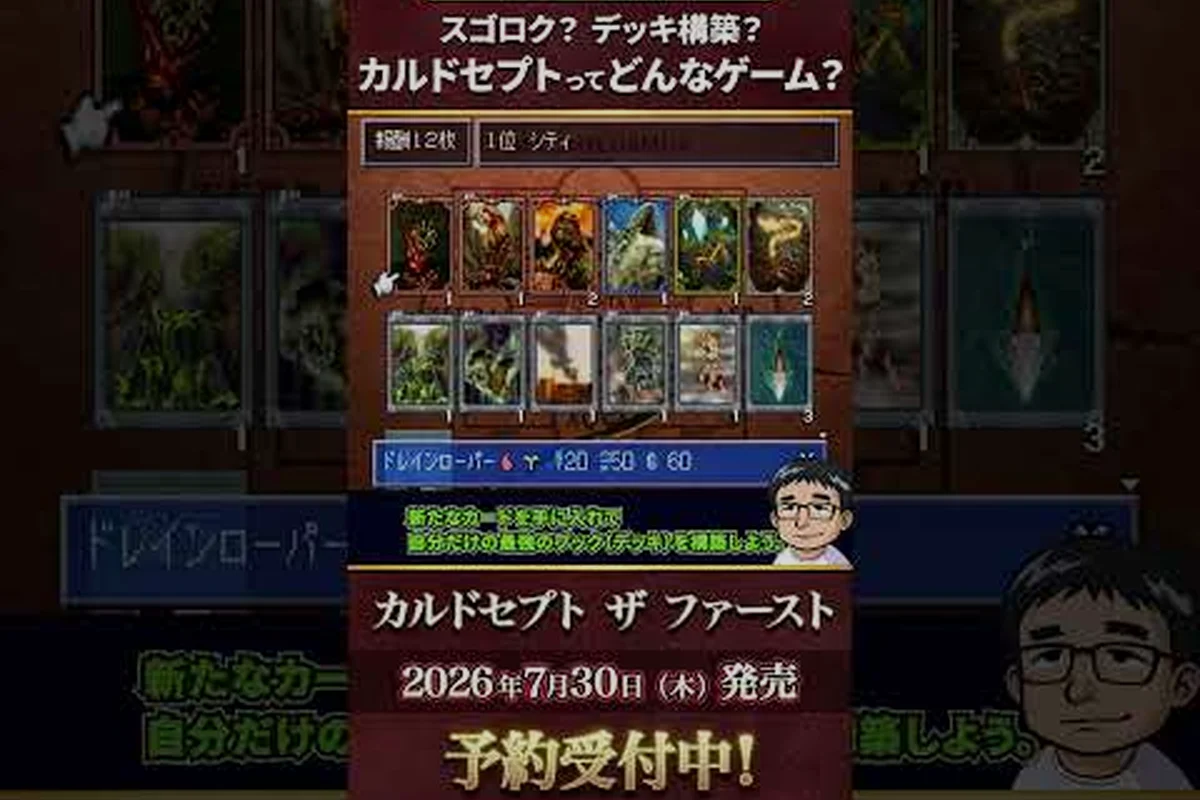
Culdcept The First Best Cards Tier List for 2026 Guide
Discover the top-tier creatures, spells, and items in Culdcept The First. Our tier list ranks the best cards for competitive Books in the 2026 remake by CITY.
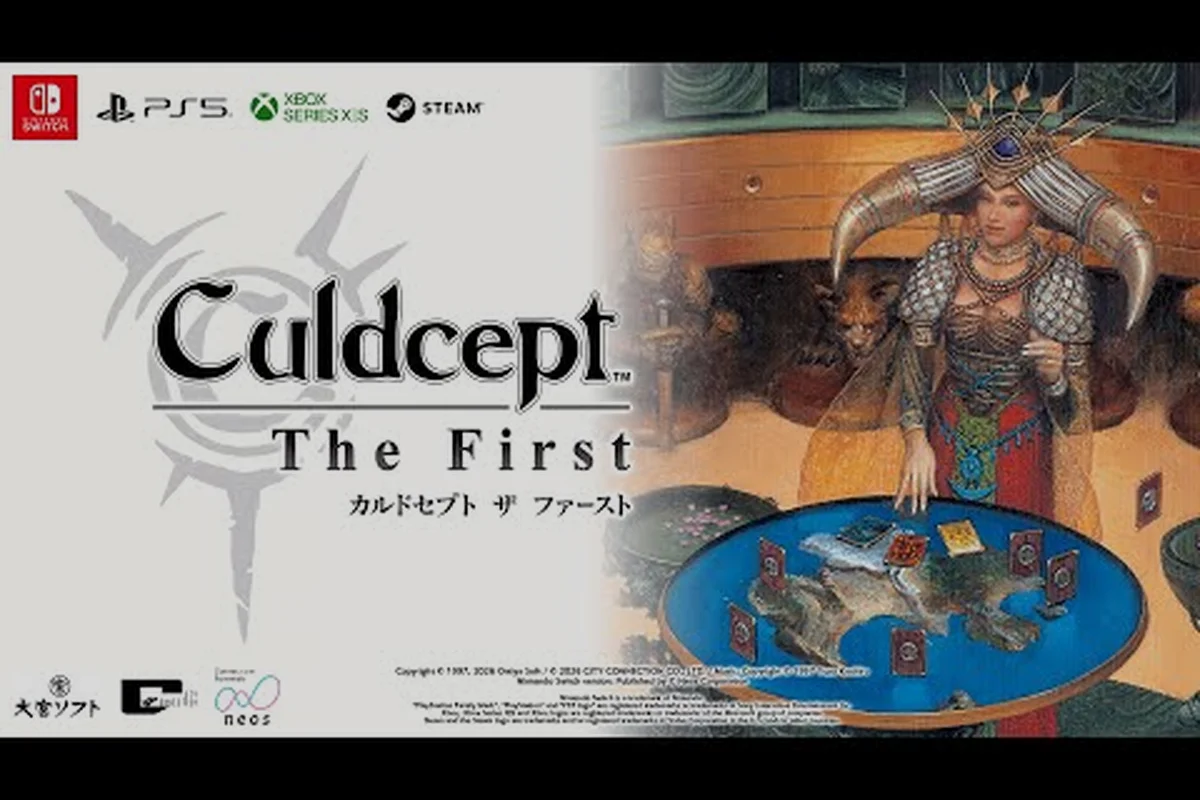
Earth & Wind Element Cards Guide for Culdcept The First
Master Earth and Wind element cards in Culdcept The First. Learn territory defense, toll boosting, and neutral card synergies for optimal Cepter strategies.
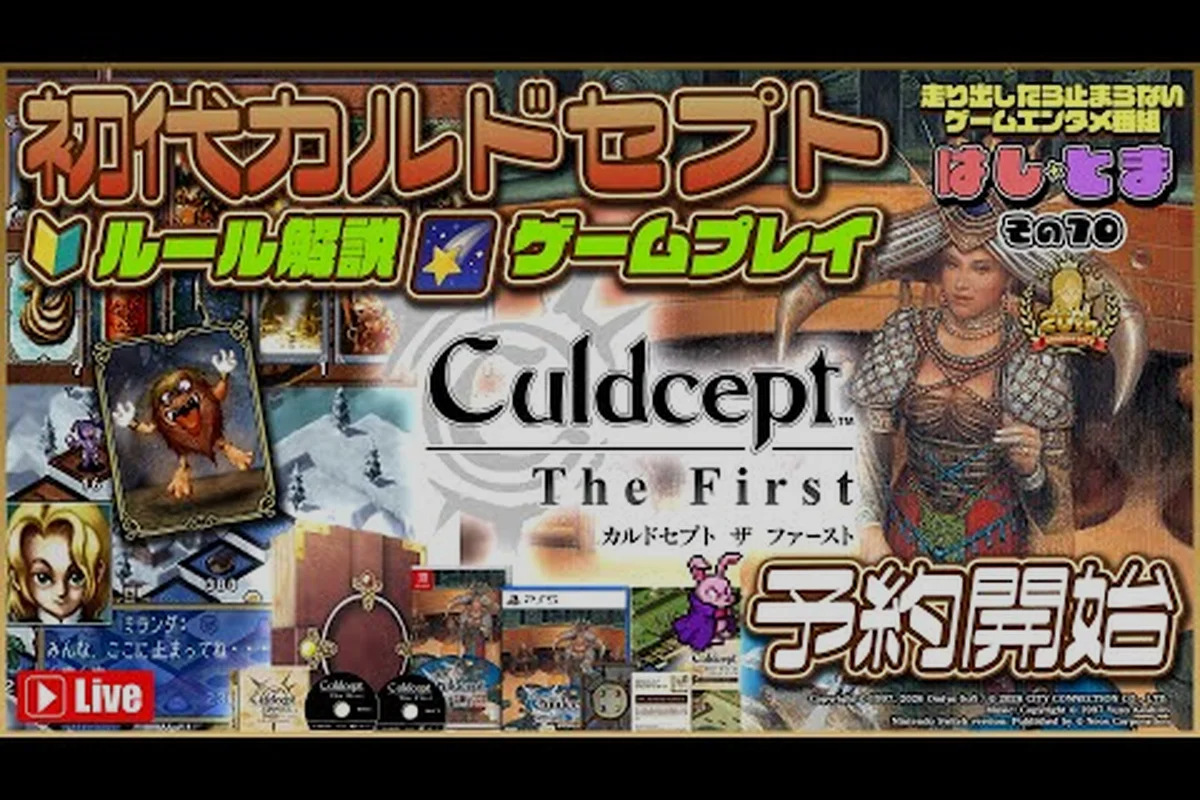
Grizzly Card Guide: Master This Fierce Creature in Culdcept
Unleash the Grizzly card in Culdcept The First. Discover stats, evolution tactics, and Book synergies for this ST:50 Earth creature. Dominate boards with.
All Articles
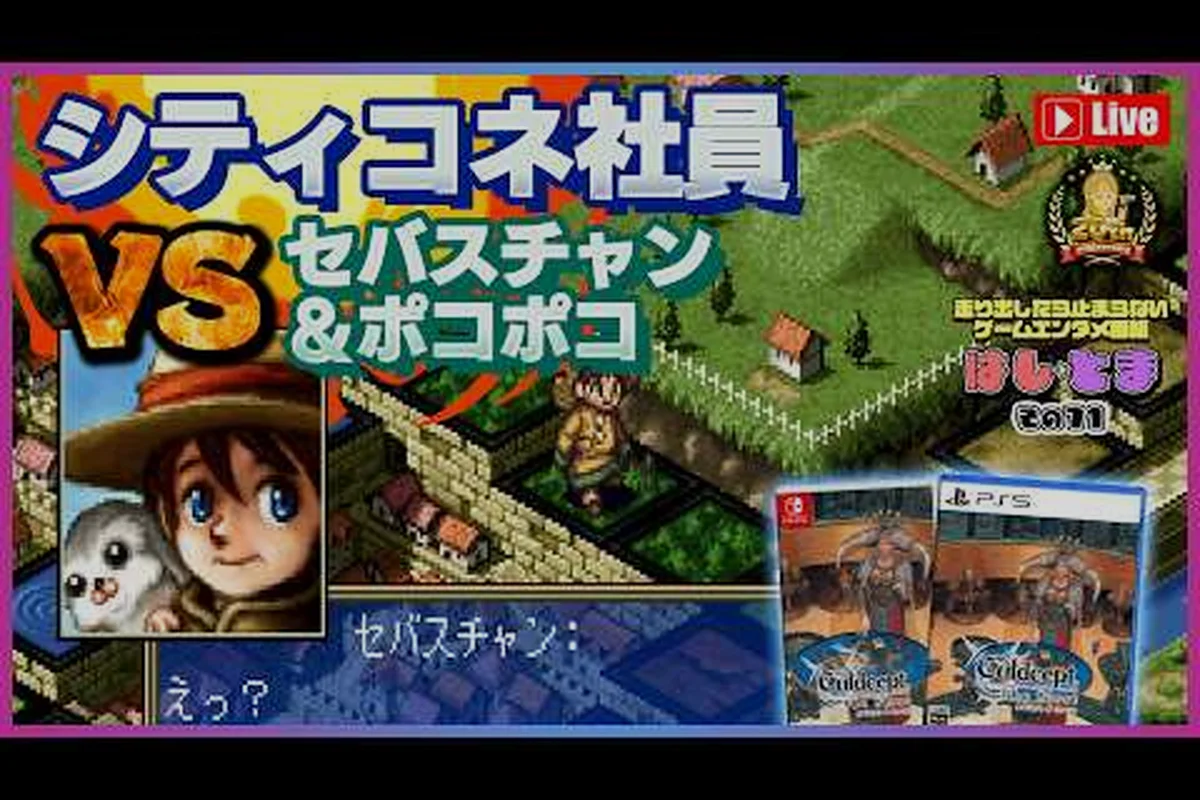
Healing Spell Card Guide: Stats, Elements, and Book
Master the Healing spell card in Culdcept The First with detailed stats, elemental breakdowns, and strategic Book builds for competitive Cepter play.
Hurricane Card Guide: Optimal Combos & Counters in Culdcept
Master the Hurricane spell card in Culdcept The First with this comprehensive guide. Learn optimal combos with Cockatrice and Lamia, plus advanced strategies.
Mastering Item Cards in Culdcept The First Remake Guide
Unlock the strategic power of item cards in Culdcept The First. Learn top rare and legendary items, acquisition methods, and Book synergies for victory.
Lightning Spell Guide: Damage, Timing, and Book Synergy
Master the Lightning spell in Culdcept The First: learn optimal damage timing, creature combos, territory control strategies, and how to counter high-HP.